

Search
Find a Physician

Patellofemoral Pain Syndrome Exercises: How to Help Runner's Knee

Robert A. DeFalco, Jr., DO
![Robert A. DeFalco, Jr., DO]()

Robert A. DeFalco, Jr., DO
- Orthopedic Surgery
- Shoulder & Knee
- Sports Medicine





Medically Reviewed by
William Sayde, MDBlog
Apr 17, 2026
You’ve probably heard of runner’s knee before. The condition affects many runners and active people, yet most hesitate to exercise once the pain starts. Looking into patellofemoral pain syndrome exercises can feel intimidating at first, especially when even simple movements make your knee ache.
The tricky part is that exercise actually helps recovery. However, if you try random movements from the internet, you might make things worse. Some exercises place too much stress on the joint, and when your knee already hurts, experimenting on your own can feel risky.
The good news is that specific, carefully chosen exercises can reduce pain and strengthen the structures supporting the knee. When you follow the right routine, you improve stability, reduce irritation around the joint, and gradually return to running without discomfort.
What is Patellofemoral Pain Syndrome?
Many people first learn about this condition when they start researching the topic of what is runner’s knee after experiencing persistent discomfort while running or climbing stairs. In simple terms, the issue develops when the kneecap does not move smoothly within its groove on the femur.
This misalignment causes irritation around the joint. Over time, the pressure causes inflammation in the surrounding tissues, leading to the familiar sensation of pain below the kneecap. The discomfort usually increases when you run downhill, squat, or sit for long periods.
Biomechanics plays a major role in this condition. Weak hips, tight quadriceps, or poor running form can all affect kneecap tracking during movement. When these factors combine, the joint experiences repeated stress with every stride.
The condition itself is medically known as patellofemoral pain syndrome, and it represents one of the most common overuse injuries among runners. Despite how frustrating it can feel, the issue rarely involves structural damage. In most cases, the problem stems from muscle imbalances and poor movement patterns.
This is why targeted movement and strengthening routines often bring the best results. Addressing weakness in the hips, glutes, and quadriceps helps the kneecap move more smoothly and reduces the pressure that triggers irritation.
You see, treating runner’s knee rarely requires aggressive intervention. Instead, gradual rehabilitation that focuses on muscle control and flexibility usually restores healthy movement and reduces pain over time.
Patellofemoral Pain Syndrome Symptoms
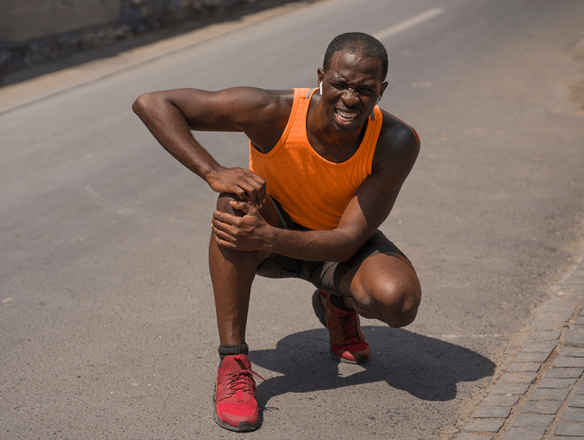
The most recognizable symptom involves discomfort around the front of the knee. Many people notice a dull ache that gradually becomes sharper during activities like running, squatting, or descending stairs.
One of the most common descriptions involves pain below the kneecap that worsens after prolonged sitting. This is sometimes called the “theater sign,” because the knee stiffens and begins to ache after sitting through a long movie.
Some runners also report clicking or grinding sensations when bending the knee. While this can sound alarming, the sensation usually comes from irritation rather than structural damage.
Swelling rarely occurs with this condition, which can make the injury confusing. Instead, the knee simply feels sore, stiff, and unreliable during movement.
Typical symptoms may include:
- Aching around the front of the knee
- Pain during squats or stair climbing
- Discomfort when sitting for long periods
- Sensitivity around the kneecap during pressure
Symptoms often fluctuate depending on activity levels. A runner might feel fine during light movement, but experience soreness after longer runs or intense workouts.
The key pattern is that pain increases when the knee bends under load. Movements like lunges, deep squats, and downhill running tend to trigger irritation because they place extra pressure on the joint.
Fortunately, recognizing these symptoms early allows you to adjust your training routine before the condition worsens.
Therapy for Patellofemoral Syndrome
Treatment usually focuses on reducing irritation while restoring proper movement patterns. In most cases, rest alone does not fully solve the problem because the underlying issue involves muscle imbalance and joint mechanics.
A structured routine that includes knee-strengthening exercises often becomes the foundation of recovery. Strengthening the quadriceps, glutes, and hip stabilizers helps guide the kneecap along its natural path during movement.
Exercises targeting the hips are particularly important. Weak hip muscles can cause the knee to collapse inward during running or squatting, increasing stress on the patellofemoral joint.
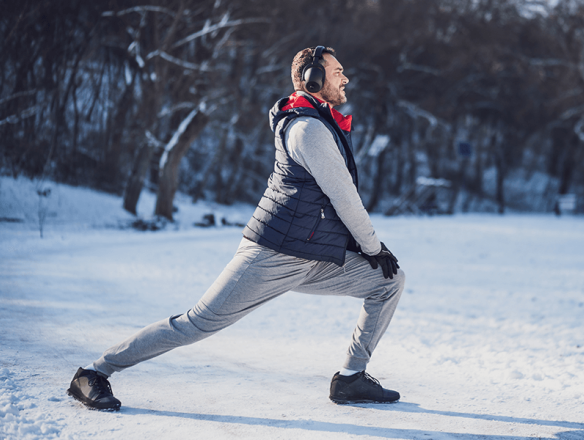
Many rehabilitation programs also include mobility work. Gentle patellofemoral stretches improve flexibility in the quadriceps, hamstrings, and calves, which reduces tension around the knee.
Consistency matters more than intensity. Short daily routines typically provide better results than occasional intense workouts. When you gradually build strength and mobility, the knee begins to tolerate movement again.
During recovery, runners often modify their training. Reducing mileage, avoiding downhill running, and focusing on low-impact cardio like cycling or swimming help the knee recover without sacrificing overall fitness.
You see, therapy works best when it combines strengthening, mobility, and smart training adjustments rather than relying on a single exercise or quick fix.
Patellofemoral Pain Syndrome Physical Therapy
Physical therapy often introduces structured routines that restore balance between the muscles supporting the knee. A therapist evaluates movement patterns, identifies weaknesses, and builds a progressive rehabilitation program.
Many routines include targeted kneecap exercises designed to improve quadriceps control and stabilize the kneecap during bending movements. These exercises usually start with simple movements before progressing toward more dynamic activities.
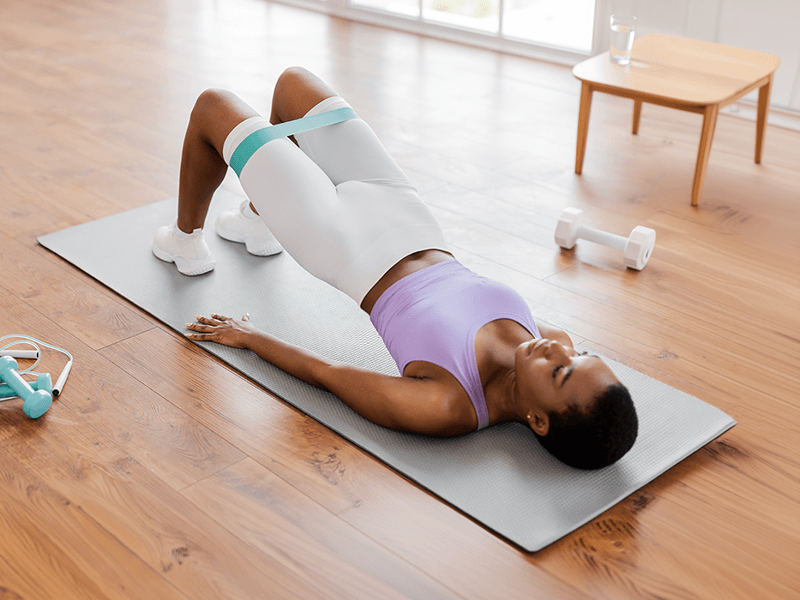
Common exercises for runner’s knee include straight-leg raises, step-downs, and glute bridges. These movements strengthen the surrounding muscles while keeping stress on the knee relatively low.
Therapists also emphasize patellofemoral stretches to address tight muscles that pull the kneecap out of alignment. Stretching the quadriceps, hip flexors, and iliotibial band often improves mobility and reduces irritation.
Balance and control exercises often appear later in the program. Single-leg movements help retrain coordination and prepare the knee for running again.
Eventually, therapy transitions toward functional strength. Movements like controlled squats and lunges restore confidence in the joint and rebuild the strength necessary for athletic activity.
When done consistently, this approach gradually rebuilds stability and reduces the forces that originally caused irritation around the kneecap.
How Long Does Patellofemoral Pain Syndrome Last
Recovery timelines vary depending on how early you address the condition. Mild cases often improve within a few weeks once you reduce aggravating activities and begin corrective exercises.
More persistent cases may require several months of consistent rehabilitation. This usually happens when muscle imbalances develop over a long period before symptoms appear.
Patience plays an important role in recovery. Returning to intense training too quickly often restarts the irritation cycle, which prolongs the healing process.
Most runners begin noticing improvement within six to eight weeks when they follow a structured rehabilitation program. Pain gradually decreases as the muscles supporting the knee grow stronger.
During this period, controlled activity remains important. Low-impact exercise keeps the joint mobile and prevents stiffness while avoiding the high loads that trigger irritation.
Long-term prevention also matters. Continuing exercises for runner’s knee even after symptoms disappear helps maintain proper knee alignment and reduces the risk of recurrence.
Ultimately, runner’s knee rarely becomes a permanent limitation. With proper strengthening, mobility work, and gradual return to activity, most people regain full function and return to running without pain.
Conclusion
Patellofemoral pain syndrome exercises can make a significant difference when runner’s knee begins to interfere with training. The right combination of strengthening, mobility work, and gradual activity allows the kneecap to move more smoothly and reduces irritation around the joint.
Recovery rarely happens overnight, but regular exercise and smart training adjustments usually restore knee function over time. When you focus on balanced strength and flexibility, you not only ease current discomfort but also protect your knees from future injuries as you return to running.
With the right exercises and consistency, you can relieve pain, strengthen your knees, and get back to running comfortably—supported every step of the way by the experts at Orthopedic Institute of NJ.

OINJ PHYSICIAN’S ADVICE
We see a lot of active patients with pain with running, and though it can commonly be consistent with patellofemoral pain syndrome, a consultation with a sports medicine physician at The Orthopedic Institute of New Jersey is a great way to obtain a comprehensive examination and to formulate an individualized treatment plan.
William Sayde, MD
Orthoepdic Sports Surgeon
Robert A. DeFalco, Jr., DO
![Robert A. DeFalco, Jr., DO]()
Robert A. DeFalco, Jr., DO
- Orthopedic Surgery
- Shoulder & Knee
- Sports Medicine
Physicians & Assistants





Related News & Insights
Pickleball Knee Pain: Causes, Prevention, and When to See a Specialist
![]()
Blog
Jul 2, 2025
Pickleball Knee Pain: Causes, Prevention, and When to See a Specialist
Read More
Jul 2, 2025