

Search
Find a Physician

Do Massage Guns Work: Helpful Recovery Tool or Just a Trend?
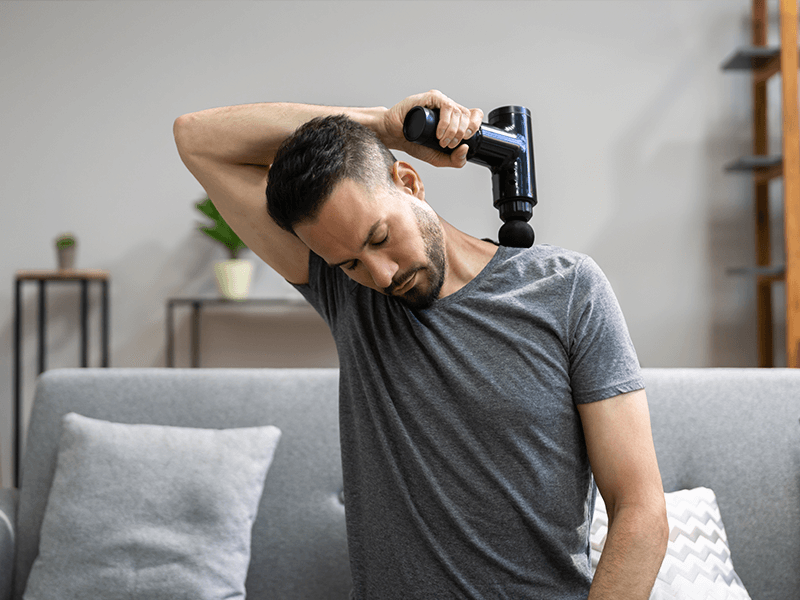



Medically Reviewed by
Christopher Castro, DOBlog
Feb 11, 2026
A few years ago, a friend of mine dealt with a herniated disc and constant lower back pain. A proper massage always brought relief, sometimes instantly. The problem was simple: booking daily massage sessions wasn’t realistic. One evening, while scrolling online, they spotted a massage gun and thought, do massage guns work the same way, even a little?
They knew a handheld device could never replace a trained therapist or proper physical therapy. Still, the idea felt tempting. Something compact, quick, and available at home sounded perfect for those stiff mornings and long workdays. The question lingered, though. Would it actually reduce pain, or would it just vibrate loudly and collect dust after a few uses?
That curiosity is shared by a lot of people dealing with tight muscles, soreness, or lingering aches. Massage guns promise faster recovery, better circulation, and less discomfort without appointments or high costs. But are they genuinely helpful tools, or just another wellness trend riding clever marketing? Let’s take a closer look at what they really offer.
Benefits of a Massage Gun
Massage guns are designed to deliver rapid, targeted pulses into muscle tissue, which can feel similar to a deep-tissue massage when used correctly. For people dealing with tight backs, sore legs, or back pain from sitting, that immediate sensation of relief is often the biggest draw. You can use one at home, after work, or post-workout, without scheduling appointments or leaving the house.
One clear benefit is convenience. Instead of waiting days for a massage or physical therapy session, a massage gun lets you address discomfort as soon as it appears. Many users report feeling looser within minutes, especially in the lower back, glutes, calves, and shoulders. At the same time, it’s fair to pause and ask, do massage guns work beyond short-term comfort, or are they simply easing symptoms temporarily?
Massage guns can also support recovery when used consistently. By stimulating blood flow and relaxing tense muscles, they may help reduce post-exercise soreness and stiffness from prolonged inactivity. For people who spend most of the day seated, this can make movement feel easier and less restrictive, even if it doesn’t address the root cause.
Commonly reported benefits include:
- Temporary relief from muscle tightness and soreness
- Improved blood flow to targeted muscle areas
- Faster recovery after workouts or long sedentary days
- Greater flexibility and ease of movement
- On-demand relief without ongoing appointment costs
Used thoughtfully, a massage gun can be a practical addition to a recovery routine, especially when paired with stretching, movement, and proper rest.
When to use a massage gun?
Massage guns tend to work best when you use them with a clear purpose, not randomly or excessively. They’re most helpful for managing everyday discomfort, easing muscle tension, and supporting recovery between workouts or long workdays. Knowing when to use one, and when to avoid it makes a noticeable difference in results and overall comfort.
Do massage guns help with soreness?
Massage guns can help reduce muscle soreness, especially delayed-onset soreness after exercise or prolonged physical strain. The rapid pulses increase local blood flow, which can ease that heavy, tight feeling in muscles. While the relief is usually temporary, many people find it enough to restore comfortable movement and reduce stiffness during the day.
Do massage guns improve recovery?
Massage guns may support recovery by helping muscles relax faster after physical activity. Using one shortly after workouts or the next day can reduce tightness and make muscles feel ready sooner. They don’t replace rest, sleep, or proper nutrition, but they can complement a recovery routine by keeping muscles loose and comfortable.
Do massage guns break up muscle knots?
Massage guns can help loosen mild to moderate muscle knots by relaxing tense fibers and improving circulation in the area. For stubborn knots, the effect is often gradual rather than instant. Used gently and consistently, they may reduce sensitivity and tension, but aggressive use can sometimes make knots feel worse instead of better.
Do massage guns help with herniated discs?
Massage guns should be used cautiously if you have herniated discs. They may help relax surrounding muscles that tighten to protect the injured area, thereby reducing discomfort. However, they should never be applied directly to the spine, and they are not a treatment for disc injuries. Professional guidance is strongly recommended.
How to use a massage gun?
Learning how to use a massage gun matters just as much as owning one. Start by choosing a low intensity and letting the device glide slowly over the muscle, rather than pressing hard into one spot. The goal is to relax tissue, not force it. Move steadily, spend about 30–60 seconds per area, and stop if you feel sharp pain or discomfort.
Target muscles, not joints or bones. Focus on larger muscle groups like glutes, thighs, calves, and upper back. Stay clear of the spine, neck vertebrae, and kidneys. If you’re dealing with tightness from workouts or daily strain, gentle, consistent use usually works better than aggressive sessions. This is where people often ask, do massage guns work, or is technique the real difference?
Timing also plays a role. Many people use massage guns after workouts to relax muscles or later in the day to ease stiffness. Others prefer short sessions before activity to warm up tissue. Keep sessions brief, stay relaxed, and treat the massage gun as a support tool, not a fix-all solution.
Wrap up
Do massage guns work as a reliable recovery tool, or are they just another fitness trend? For many people, the answer sits somewhere in the middle. They don’t replace professional massage or medical care, but they can provide real, noticeable relief from muscle tightness, soreness, and everyday stiffness when used correctly and consistently.
The real value of a massage gun comes from how you use it and what you expect from it. As a convenient, at-home support tool, it can help you feel looser, move more comfortably, and recover a bit faster. When paired with movement, stretching, and rest, it becomes a practical addition rather than a gimmick.
If muscle soreness or recovery issues are slowing you down, schedule a consultation with the Orthopedic Institute of NJ to get expert advice on safe, effective recovery tools and treatment options.

OINJ PHYSICIAN’S ADVICE
Pain from disc herniations can cause secondary muscle pain. I counsel my patients to think of this as the brain’s way to protect the spine by restricting motion. But that can lead to pain and diminished range of motion which can affect daily function.
Modalities such as massage guns or home TENS units can help to loosen muscles and improve range of motion. These modalities (which can also include heat) are generally safe and well tolerated and should be implemented before passive stretching.
Christopher Castro, DO
Physiatrist
Physicians & Assistants

Related News & Insights
The Importance of Physical Therapy in Recovering from Orthopedic Injuries
![]()
Blog
Mar 20, 2025
The Importance of Physical Therapy in Recovering from Orthopedic Injuries
Read More
Mar 20, 2025

Injured Athletes and Mental Health
![Injured athletes and mental health]()
Podcasts