

Search
Find a Physician

Over-the-Counter vs. Custom Shoe Inserts for Plantar Fasciitis



Medically Reviewed by
Kevin White, DOBlog
Feb 23, 2026
When discomfort starts interfering with everyday movement, many people begin searching for shoe inserts for plantar fasciitis as a practical way to eliminate the pain. You might even ask yourself whether choosing the cheaper option today could lead to higher costs later if the support falls short. That question often marks the beginning of a more thoughtful decision-making process.
At first glance, the variety of shoe inserts for plantar fasciitis can feel overwhelming, with store shelves and online listings promising quick relief. Some options focus on affordability and convenience, while others emphasize precision and long-term comfort. Understanding what separates these choices helps you avoid trial-and-error purchases that waste both time and money.
Comparing over-the-counter and custom inserts is not simply about price; it is about fit, biomechanics, and the level of support your feet actually require. The right selection can improve daily comfort, encourage better posture, and reduce strain during prolonged activity, ultimately helping you move through your routine with greater confidence.
What is plantar fasciitis?
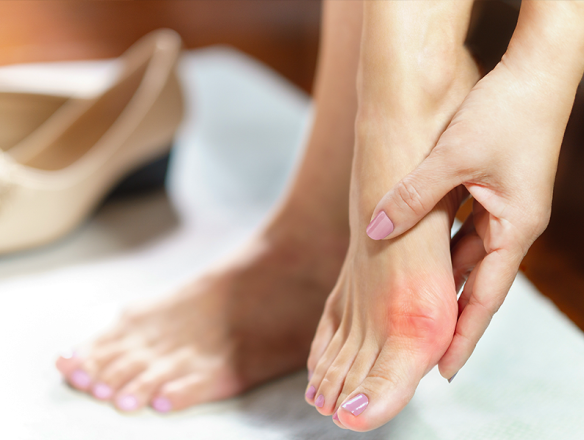
Plantar fasciitis refers to inflammation of the thick band of tissue that runs along the bottom of the foot, connecting the heel to the toes. When this ligament becomes overstressed, even simple movements can feel challenging, prompting many people to seek dependable foot pain relief before discomfort begins affecting routines.
The condition often develops gradually, starting as mild archsoreness that feels sharper with the first steps in the morning or after long rest periods. Repetitive strain, unsupportive footwear, and extended standing commonly contribute, making early recognition important for minimizing disruption and restoring comfortable, confident movement.
Do plantar fasciitis insoles actually work?
Many people wonder whether relief truly follows the use of shoe inserts for plantar fasciitis, especially when pain disrupts even short walks. Findings from more than one plantar fasciitis shoe inserts study suggest that properly designed insoles can redistribute pressure, stabilize the arch, and support healing when paired with consistent foot care habits.
Key benefits include:
- Improved arch support
- Better pressure distribution
- Reduced heel strain
- Enhanced shock absorption
- Greater daily comfort
Arch support plays a major role in limiting excessive stretching of the plantar fascia, which often drives persistent soreness. By holding the foot in a more neutral position, inserts encourage efficient movement patterns. Over time, this support can ease morning stiffness and help prevent the small aggravations that often accumulate throughout active days.
Consistency also matters more than many expect. Insoles deliver the strongest results when worn regularly in well-fitting footwear rather than swapped between incompatible shoes. While they are not an instant cure, combining supportive inserts with stretching, sensible activity levels, and patience often leads to steadier progress and longer-lasting comfort.
Treatment for plantar fasciitis
Treating plantar fasciitis usually begins with reducing strain on the ligament while supporting natural foot mechanics. Many people benefit from simple adjustments, such as wearing supportive footwear indoors and avoiding prolonged barefoot walking. Early attention often limits symptom escalation and creates a foundation for recovery without immediately turning to more intensive interventions.
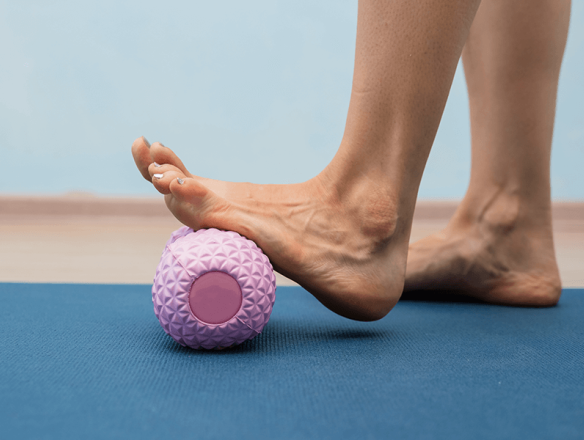
Stretching remains one of the most reliable ways to ease tension along the heel and arch. Gentle calf stretches, towel pulls, and controlled foot flexes help maintain flexibility while encouraging healthier load distribution. When performed consistently, these movements can gradually reduce discomfort and make daily steps feel less guarded and more natural.
Supportive tools also contribute to steady improvement. Night splints keep the foot in a position that discourages overnight tightening, while ice therapy can help reduce irritation after prolonged standing. Some individuals explore guided physical therapy to strengthen surrounding muscles, which further stabilizes the foot and reduces the likelihood of recurring flare-ups.
Long-term success often depends on building habits that support recovery rather than chasing quick fixes. Maintaining a healthy activity balance, replacing worn footwear, and listening to early warning signs all play a role in preventing plantar fasciitis from returning. Thoughtful care today helps protect comfort and mobility well into the future.
Do plantar fasciitis insoles actually work?
Many people question whether insoles genuinely ease heel discomfort or simply mask the problem. Properly designed shoe inserts for plantar fasciitis aim to support the arch, reduce tension on the ligament, and promote healthier alignment. When the foot moves more efficiently, everyday activities often feel less taxing and far more manageable.
Effectiveness usually depends on selecting an insert that matches your foot structure and activity level. A poorly fitted insole may create new pressure points, while a supportive one redistributes weight more evenly. This balance helps limit repetitive strain, which often plays a central role in ongoing irritation.
It is also important to view insoles as part of a broader care strategy rather than a standalone solution. Pairing them with stretching, supportive footwear, and mindful activity choices strengthens their impact. Over time, this combined approach can encourage steadier comfort and reduce the likelihood of recurring setbacks.
Which insoles are better for plantar fasciitis?
If your symptoms are mild, over-the-counter insoles often work best as a first step because they are affordable, easy to replace, and available in different arch heights. Look for firm heel cushioning and structured arch support. When they match your foot shape closely, they reduce strain quickly in most shoes.
Custom orthotics tend to win when pain persists, your arches are very high or very flat, or you have alignment issues that standard inserts cannot address. A clinician can assess gait, pressure points, and shoe fit, then design support that targets your mechanics. That precision often improves durability and comfort.
So, what do foot surgeonsrecommend for plantar fasciitis? Many suggest starting with a quality OTC insert plus stretching and supportive shoes, then moving to custom devices if progress stalls after several weeks for many people. This stepwise approach prevents overspending while still giving you a clear, practical path forward.
Now, to sum it up, are custom orthotics worth it for plantar fasciitis? They are worth it when you need individualized correction, have repeated flare-ups, or rely on long hours of standing or walking for work. If OTC options consistently help, stick with them, replace them regularly, and keep up consistent daily mobility work.
Wrap up
Shoe inserts for plantar fasciitis can make a meaningful difference when you choose them with intention rather than urgency. The real advantage comes from matching the level of support to your needs, whether that means starting with a dependable over-the-counter option or investing in custom guidance for persistent discomfort.
Relief rarely depends on a single product but on consistent habits that support long-term foot health. When you combine proper inserts with stretching, supportive footwear, and smart activity choices, you create conditions for steadier comfort. A thoughtful decision today helps protect mobility, confidence, and everyday ease moving forward.
If shoe inserts and other conservative treatments aren’t fully relieving your plantar fasciitis, schedule a consultation with the Orthopedic Institute of NJ for expert evaluation and a personalized treatment plan.
Physicians & Assistants
Related News & Insights
Compression Sleeves for Knee Pain: When They Help — and When They Don’t
![man using compression sleeve for knee pain]()

Blog
Jan 22, 2026
Compression Sleeves for Knee Pain: When They Help — and When They Don’t
Read More
Jan 22, 2026
Foot Pain Relief: Top Plantar Fasciitis Stretches That Actually Work
![Woman sitting on couch with foot pain]()

Blog
Aug 29, 2025
Foot Pain Relief: Top Plantar Fasciitis Stretches That Actually Work
Read More
Aug 29, 2025