

Search
Find a Physician

Knee Pain When Squatting: What It Means and When to Worry

Robert A. DeFalco, Jr., DO
![Robert A. DeFalco, Jr., DO]()

Robert A. DeFalco, Jr., DO
- Orthopedic Surgery
- Shoulder & Knee
- Sports Medicine





Medically Reviewed by
William Sayde, MDBlog
Dec 2, 2025
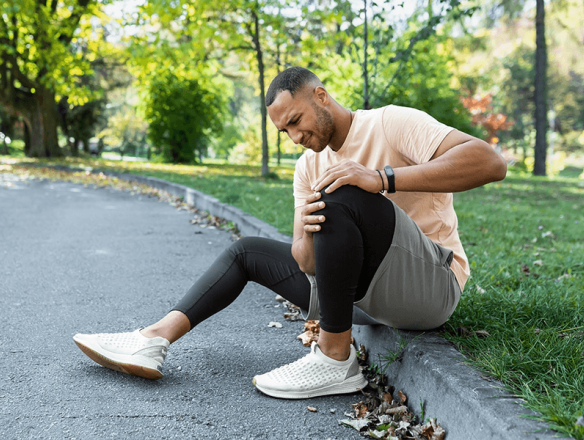
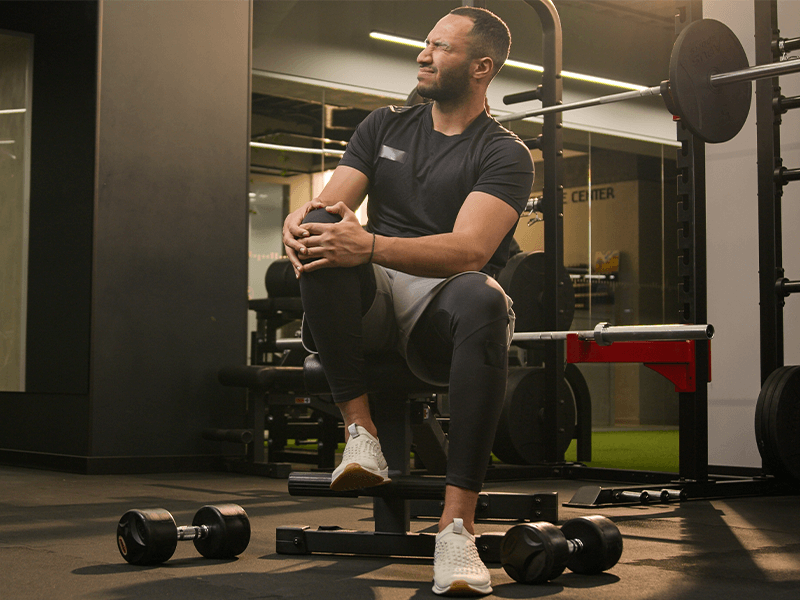
A person might feel knee pain when squatting during a workout, right at the moment they lower themselves toward the floor. It can catch you off guard, especially if you’re used to training without issues. The sharp, uncomfortable sensation often makes you stop mid-rep and wonder what changed so suddenly.
However, this discomfort isn’t limited to barbell squats or heavy sets. Even a simple bodyweight squat—something you do dozens of times a day without thinking—can start to hurt. You quickly realize how often you squat in daily life, and that constant pain begins to chip away at your comfort, routine, and overall quality of life.
That’s why it’s important to understand what this symptom may be signaling. Knee pain can appear for many reasons, and some deserve more attention than others. Keep reading to learn what might be happening inside the joint and when it’s worth worrying enough to seek help.
Why do my knees hurt when I squat?
Sometimes knee discomfort shows up suddenly, and other times it gradually becomes a daily annoyance. Because a squat relies on several joints and muscle groups working together, pain can develop when even one part isn’t doing its job correctly. A quick look at the most common causes can help you understand what might be behind that discomfort.
- Poor squat mechanics: Incorrect form shifts pressure onto the front of the knee, overloading tissues that aren’t meant to handle the full force of the movement.
- Weak hip or glute muscles: When these stabilizers don’t engage properly, the knees end up collapsing inward and absorbing more stress.
- Tight quadriceps or hamstrings: Limited flexibility pulls the knee joint out of optimal alignment, making every bend more uncomfortable.
- Patellar tracking issues: If the kneecap doesn’t glide smoothly in its groove, each squat repetition creates friction and irritation.
- Early cartilage wear or inflammation: Even mild degenerative changes can make bending and weight-bearing movements feel painful.
These issues often occur together, so identifying the exact cause isn’t always straightforward. If knee pain when squatting persists or interferes with normal daily movement, it’s a good idea to get it evaluated.
How to fix knee pain from squats?
When people start looking up how to treat knee pain, it often leads them to strengthening and mobility solutions—and that’s a good direction. Many exercises for knee pain focus on improving the function of supporting muscles, which helps the knees move more smoothly during squats. The key is to start slow, avoid pushing through sharp pain, and give the joint room to recover.
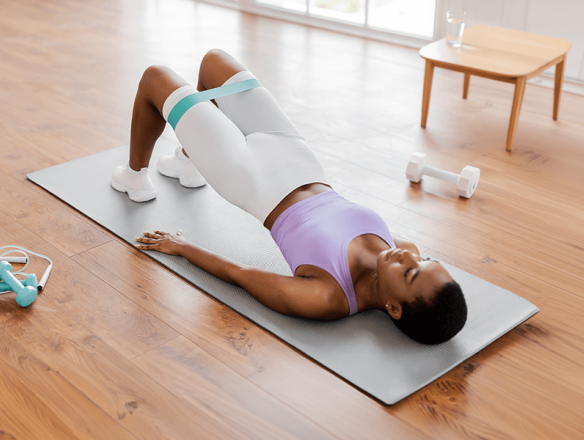
Addressing muscle weakness is one of the most reliable ways to reduce discomfort. Strengthening the glutes, hamstrings, and quadriceps helps keep the knee stable rather than having to absorb all the force by itself. Simple moves like glute bridges, hamstring curls, and step-ups can rebuild support and ease pressure during everyday squats.
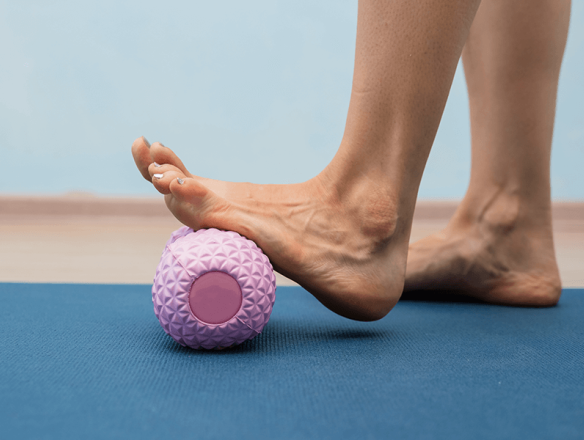
Mobility also plays a significant role in pain relief. Tight quads, calves, or hips can pull the knee out of ideal alignment, making each squat feel more strained than it should. Gentle stretching, foam rolling, and controlled mobility drills can improve your range of motion and help the joint glide more comfortably.
Finally, if your discomfort comes from form issues, it’s essential to address that once the pain settles. People often wonder, "Can squats hurt your knees?" The answer is yes—when done incorrectly. That’s why learning how to do squats correctly is one of the best long-term solutions for preventing the pain from coming back.
Preventing knee pain when squatting
Building long-term protection for your knees starts with the basics: moving well, staying consistent, and keeping supporting muscles strong. Prevention isn’t about avoiding squats but about preparing your body to handle them comfortably. A few simple habits can make a huge difference in how your knees feel during both workouts and daily movement.
One of the most effective strategies is to add regular knee-strengthening exercises to your routine. When the muscles around the knee—especially the quads, hamstrings, and glutes—are strong, they absorb more of the work and keep the joint stable. This reduces unnecessary strain and helps prevent small imbalances from turning into painful problems.
Flexibility and mobility also play big roles in keeping your knees healthy. Tight hips or ankles can force your knees into awkward positions every time you squat, placing stress where it doesn’t belong. Stretching, foam rolling, and controlled mobility drills help your joints move smoothly and maintain proper alignment through the entire squat range.
Finally, pay close attention to how your squat actually feels. If you notice early signs of knee pain when squatting, don’t ignore it—small adjustments can stop minor irritation from becoming a bigger issue. Taking the time to warm up properly, move with control, and monitor your technique keeps your knees safer every time you bend.
Stretches for knee pain from squats
Stretching is one of the simplest and most effective ways to reduce tension around the knee joint. When muscles like the quadriceps, hamstrings, calves, and hip flexors become tight, they pull the knee out of ideal alignment, making every squat feel heavier than it should. Gentle, consistent stretching helps restore balance, improve mobility, and reduce the strain that leads to discomfort.
A great place to start is with quadriceps and hip-flexor stretches, since these muscles directly influence how your knee tracks during a squat. Holding a standing quad stretch or performing a half-kneeling hip-flexor stretch helps release the front of the leg and reduces pressure on the kneecap. Adding calf stretches against a wall also eases tension lower in the chain and supports smoother squatting mechanics.
Hamstring stretches complete the picture by improving the back-of-leg mobility needed for deeper, more controlled squats. A simple seated forward fold or a standing hamstring stretch allows the knee to move more freely without compensating elsewhere. When combined, these targeted stretches create a more flexible, supportive environment for your knees, making every squat feel more natural and far less painful.
Wrap up
Knee pain when squatting can feel alarming, but it’s often your body’s way of signaling a fixable issue. Whether the discomfort comes from tight muscles, weak stabilizers, or technique problems, small changes can make a big difference. Paying attention to symptoms early helps you stay active without letting the pain take over your routine.
By strengthening the right muscles, improving your mobility, and practicing better form, you give your knees the support they need for long-term comfort. And if pain persists despite these adjustments, getting a professional evaluation is always a wise next step. Your knees work hard every day—taking care of them pays off.
Don’t let knee pain hold you back. Schedule an appointment with the Orthopedic Institute of NJ to get answers, relief, and a plan to squat pain-free.

OINJ PHYSICIAN’S ADVICE
If you try some of these exercises but your knee pain is not improving, seeking an opinion from one of the knee specialists at OINJ is a great next step in diagnosis and formulating a treatment plan that fits you.
William Sayde, MD
Orthopedic Sports Medicine Surgeon
Robert A. DeFalco, Jr., DO
![Robert A. DeFalco, Jr., DO]()
Robert A. DeFalco, Jr., DO
- Orthopedic Surgery
- Shoulder & Knee
- Sports Medicine
Physicians & Assistants





Related News & Insights
Patellofemoral Pain Syndrome Exercises: How to Help Runner's Knee
![woman performing Patellofemoral pain syndrome exercises]()
Blog
Apr 17, 2026
Patellofemoral Pain Syndrome Exercises: How to Help Runner's Knee
Read More
Apr 17, 2026
Compression Sleeves for Knee Pain: When They Help — and When They Don’t
![man using compression sleeve for knee pain]()

Blog
Jan 22, 2026
Compression Sleeves for Knee Pain: When They Help — and When They Don’t
Read More
Jan 22, 2026
Best Stretches for Lower Back Pain: Safe and Effective Relief at Home
![woman with lower back pain stretching on mat]()
Blog
Oct 16, 2025
Best Stretches for Lower Back Pain: Safe and Effective Relief at Home
Read More
Oct 16, 2025
Foot Pain Relief: Top Plantar Fasciitis Stretches That Actually Work
![Woman sitting on couch with foot pain]()
Blog
Aug 29, 2025
Foot Pain Relief: Top Plantar Fasciitis Stretches That Actually Work
Read More
Aug 29, 2025