


Search
Find a Physician

Youth Sports Injuries: What Parents Should Watch For?


Robert A. DeFalco, Jr., DO
![Robert A. DeFalco, Jr., DO]()

Robert A. DeFalco, Jr., DO
- Orthopedic Surgery
- Shoulder & Knee
- Sports Medicine







Medically Reviewed by
Christian J. Zaino, MDBlog
Aug 13, 2026
Parenthood comes with a fear that's hard to explain until you live it. Ernest Hemingway once wrote that when you have a child, the world has a hostage, and anyone who has watched their kid run onto a field knows exactly what he meant. That fear grows fast once you start thinking about youth sports injuries and what they could mean for your child's season, or their long-term health.
Sports give kids real benefits. They build strength, teach teamwork, and hand out confidence that carries into the classroom and beyond. None of that erases the physical toll a growing body takes on the field, the court, or the mat, and most parents only think about the risk after something already went wrong.
Knowing what to watch for changes everything. It won't stop every scrape or sprain, but it puts you in a far better position to catch trouble early and keep your child safe through an entire season and beyond. Here's what you should watch out for.
Common Injuries in Sports
Sprains and strains top the list for most young athletes. A twisted ankle on the court or a pulled hamstring during a sprint happens fast, often from a single wrong step or an overstretched muscle. Recovery time depends entirely on how bad the damage is, and pushing through pain almost always makes it worse.
Before your child gets back on the field, it helps to know the full range of what can go wrong. Kids commonly deal with:
- Sprained ankles and wrists
- Pulled hamstrings or groin muscles
- Fractures, including hairline breaks
- Growth plate damage
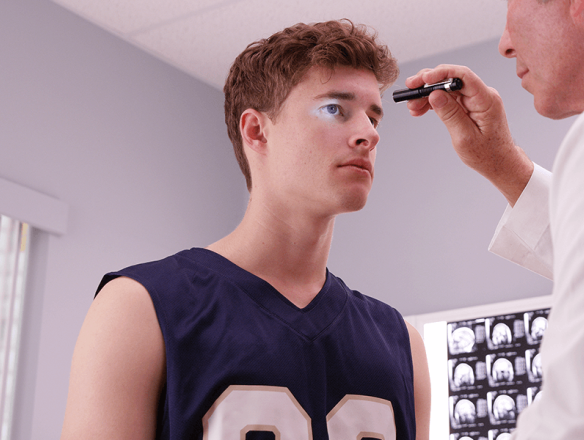
- Concussions and other head injuries
Each of these needs a different response, and getting it wrong can turn a short recovery into a long one. Concussions in young athletes deserve extra caution since symptoms don't always show up right away, and a second hit before the brain heals can cause lasting damage.
Overuse injuries in youth sports develop slowly rather than in a single dramatic moment. A pitcher's sore elbow or a runner's shin splints often start as minor discomfort that gets brushed off until it turns into a real problem, especially for kids who play the same sport year-round.
Causes of Sports Injuries
Poor technique sits near the top of the list. A young athlete who hasn't learned proper form for tackling, jumping, or landing puts far more stress on their joints and muscles than the movement should. Coaches catch some of this, but plenty slips through, especially on teams with large rosters.
Insufficient rest plays a huge role too. Bodies repair themselves during downtime, not during practice, and kids who go straight from one season into the next rarely give their muscles and joints the chance to recover. That pattern shows up constantly in high school sports injuries, where packed schedules leave little room to heal.
Growth spurts add another layer of risk. Bones can grow faster than the muscles and tendons around them, which throws off coordination and increases the odds of a fall or an awkward landing. A kid who was perfectly steady last season might suddenly seem clumsy, and that's often the reason why.
Equipment matters as well. A helmet that doesn't fit right, cleats that have worn down, or padding that's outdated won't do its job when it counts. High school sports injuries often stem from gear that should have been replaced months earlier.
Youth Sports Injuries Statistics
The numbers tell a clear story. Millions of kids under eighteen end up in emergency rooms every year because of sports and recreation injuries, and a large share of those cases involve the same handful of activities: football, basketball, soccer, and cycling. Youth sports injury statistics show that emergency visits spike the most in the fall, when multiple contact sports are in season at the same time.
Overuse injuries account for close to half of all sports-related visits among young athletes, which lines up with how often kids specialize in a single sport at an early age. That trend has grown steadily over the past two decades, and pediatric health groups continue to flag it as a real concern for long-term joint health.
Boys and girls also show different injury patterns. Boys report more fractures and contact-related injuries, largely because of football and wrestling participation. Girls report higher rates of certain overuse injuries and ligament tears, particularly ACL injuries, which researchers link partly to differences in body mechanics.
None of this means sports are too dangerous for kids to play. It means parents benefit from understanding where the real risks lie, so decisions about which sports, how many seasons, and how much rest actually match the data rather than guesswork.
What Sport Has the Most Injuries
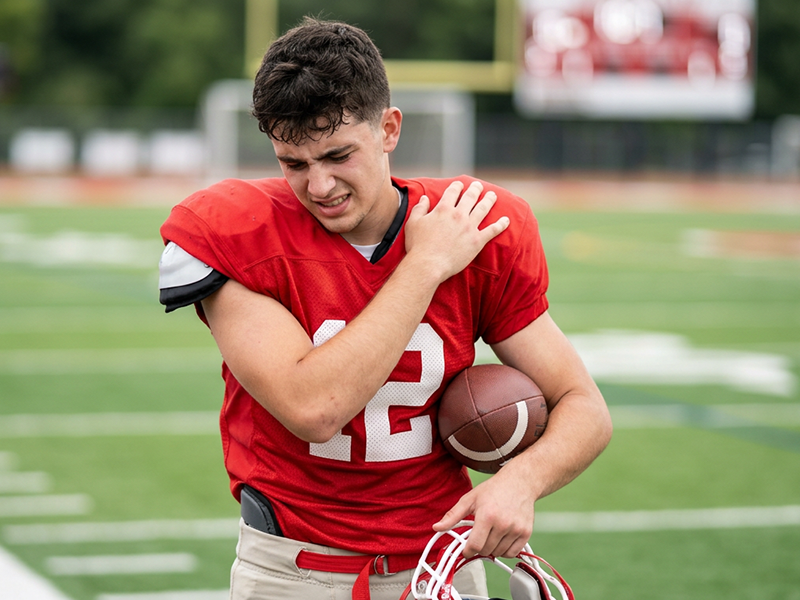
Football consistently ranks at the top for injuries in kids' sports, largely because of its physical, contact-heavy nature. Concussions, fractures, and joint injuries show up more often here than in almost any other youth activity, and the numbers stay high across nearly every age group that plays.
Basketball follows close behind. Fast direction changes, jumping, and constant contact under the hoop lead to a steady stream of ankle sprains, knee injuries, and finger fractures. It's a sport that looks less physical than football from the sidelines, but the injury rates tell a different story.
Soccer and cycling round out the list of activities tied to the highest volume of youth sports injuries. Soccer's mix of running, quick pivots, and occasional collisions produces plenty of sprains and concussions, while cycling injuries often involve falls that lead to fractures or head trauma when a helmet isn't worn correctly.
Injuries in kids' sports don't always match how rough a sport looks either. Gymnastics and cheerleading, despite lacking heavy contact, produce some of the more serious injuries out there, largely because of the height involved in falls and the repetitive strain placed on young joints.
Preventing Sports Injuries in Young Athletes
Prevention starts long before game day. Proper warm-ups, age-appropriate strength training, and coaches who actually teach correct form all reduce avoidable injuries. Parents who ask questions about a coach's training approach tend to catch problems before they turn into real damage.
Rest deserves just as much attention as training. Kids who rotate between sports throughout the year, rather than specializing early, tend to build more balanced strength and give overworked muscles a real chance to recover between seasons.
There are 3 ways to prevent injuries that consistently appear in medical guidance: build in scheduled rest days, invest in properly fitted equipment, and teach kids to speak up the moment something feels wrong rather than push through pain. These 3 ways to prevent injuries may sound simple, but most families skip at least one.
Learning how to prevent sports injuries also means paying attention to warning signs your child might try to hide, especially if they're worried about losing playing time. A quick check-in with a coach or doctor after any hard fall or persistent soreness goes a long way toward keeping youth sports injuries from turning into something worse.
Wrap Up
Youth sports injuries will always be part of raising an active kid, but they don't have to define the experience. Watching for warning signs, respecting rest, and asking the right questions before an injury happens puts parents in a much stronger position than reacting after the fact.
None of this takes the fear away completely, and it probably shouldn't. That hostage Hemingway wrote about never really gets released, but staying informed turns a parent's worry into something useful: a habit of watching closely enough to catch trouble before it becomes serious.
If your child is experiencing pain after sports or an injury that isn't improving, contact the sports medicine specialists at Orthopedic Institute of NJ.

OINJ PHYSICIAN’S ADVICE
We at OINJ see all types of youth sport injuries. The after-hours urgent care is one way to be seen quickly, but we also have relation ships with athletic trainers at local schools so we can expedite care during normal office hours. We are parents ourselves and know the importance of providing exceptional care so that our kids can get back into the game.
Christian J. Zaino, MD
Orthopedic Surgeon at OINJ
Robert A. DeFalco, Jr., DO
![Robert A. DeFalco, Jr., DO]()
Robert A. DeFalco, Jr., DO
- Orthopedic Surgery
- Shoulder & Knee
- Sports Medicine








Related News & Insights

Orthopedic Institute of New Jersey Hosts 2024 Emergency Action Plan Meeting
![]()
News
Aug 16, 2024
Orthopedic Institute of New Jersey Hosts 2024 Emergency Action Plan Meeting
Read More
Aug 16, 2024
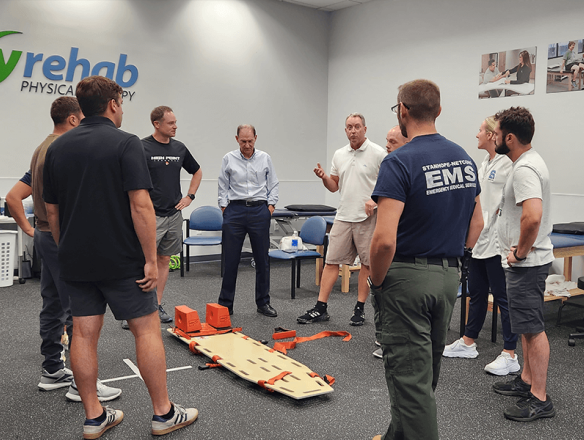
Strengthening Player Safety: OINJ’s Annual Emergency Action Plan Meeting
![emergency action plan football 2]()
News
Sep 13, 2023
Strengthening Player Safety: OINJ’s Annual Emergency Action Plan Meeting
Read More
Sep 13, 2023
SMC’s Core4® Approach Transforms Skilled Medical Providers into Life-Saving Medical Teams for North Jersey’s Sports Teams
![SMC's Core4 training]()
News
Aug 24, 2022
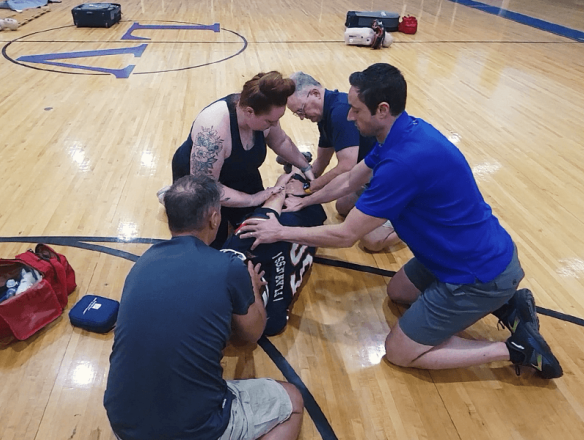
SMC’s Core4® Approach Transforms Skilled Medical Providers into Life-Saving Medical Teams for North Jersey’s Sports Teams
Read More
Aug 24, 2022