

Search
Find a Physician

Thumb Braces for Arthritis: What to Wear and When



Medically Reviewed by
Christian J. Zaino, MDBlog
Oct 20, 2026
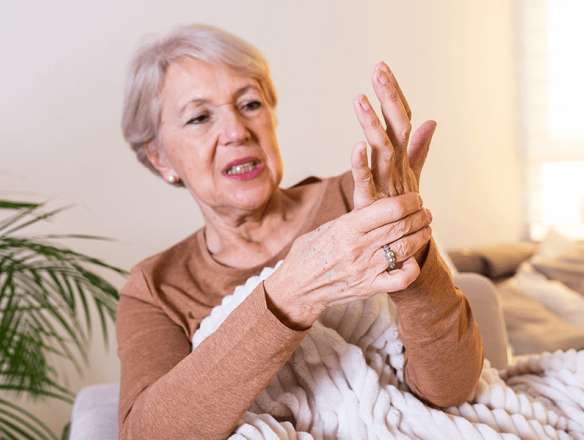
Twisting a jar lid, turning a key, or buttoning a shirt should take a second. With arthritis at the base of your thumb, those small tasks can bring a deep ache that lingers. Mayo Clinic lists pain as the first and most common symptom of thumb arthritis.
A thumb brace can help support the joint and reduce pain during activities that aggravate arthritis. The right type, fit, and wear schedule make all the difference.
Can a Thumb Brace Help Arthritis Pain?
Thumb arthritis most often affects the basal joint, also called the carpometacarpal (CMC) joint, where your thumb meets the wrist. This joint lets you pinch, grip, and rotate your thumb. As the cartilage wears down, the bones start to rub, and everyday motions like pinching and twisting become painful.
A brace works by holding the thumb in a stable, comfortable position. It limits the motions that strain the joint, takes pressure off irritated tissue, and lets inflammation settle down. You also get steadier support when you grip or pinch, so tasks you've started avoiding become easier again.
The evidence backs this up. The American College of Rheumatology and Arthritis Foundation guideline strongly recommends hand orthoses for osteoarthritis at the base of the thumb. A 2024 network meta-analysis found that both rigid and soft splints eased pain in the short term, and rigid splints that cover the thumb's middle joint improved pain and function over 3 to 12 months.
A brace won't rebuild worn cartilage or reverse arthritis. What it can do is calm symptoms, protect the joint during demanding tasks, and work alongside other treatments like hand therapy and medication. For many people with mild to moderate thumb arthritis, it's one of the simplest first steps.
What Type of Thumb Brace Is Best for Arthritis?
No single brace works best for everyone. The right choice depends on how severe your arthritis is, which activities trigger your pain, and whether you need the brace during the day, at night, or both. Most braces fall into one of four groups.
This table compares the most common thumb brace types:
|
Brace type |
Support level |
Best for |
Trade-offs |
|
Soft neoprene thumb support |
Light to moderate |
Mild arthritis, daily tasks, typing, and light household work |
Less control over thumb motion during flares |
|
Rigid hand-based thumb splint |
Moderate to firm |
Stabilizing the thumb base and middle joint while leaving the wrist free |
Bulkier, and some fine motor tasks feel awkward |
|
Forearm-based thumb spica splint |
Firm |
Painful flares, nighttime rest, or arthritis that also involves the wrist |
Limits wrist motion and feels more restrictive |
|
Custom-molded splint |
Firm, with a personal fit |
Hands that don't fit store-bought sizes or need precise positioning |
Requires a visit to a hand therapist and costs more |
Each option has a place, and many people use more than one type for different parts of the day.
Soft braces feel comfortable enough for long stretches and still let you use your hand freely. Rigid splints hold the thumb more firmly, which helps when pinching and gripping hurt. Many patients wear a soft brace for daily activities and switch to a firmer splint for heavy tasks or sleep.
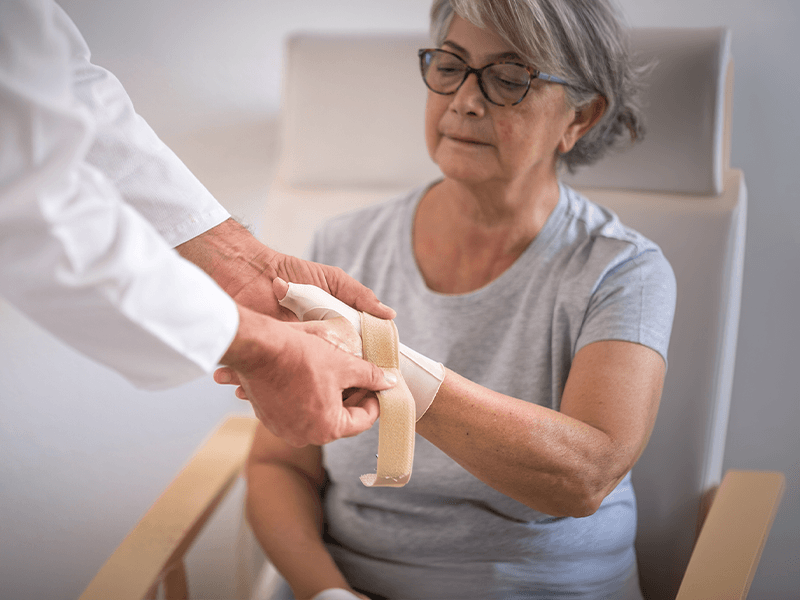
You can buy prefabricated braces at most pharmacies, and they work well for many people. If a store-bought brace pinches, slips, or doesn't relieve pain, a hand therapist can mold a custom splint to the exact shape of your hand and thumb.
When Should You Wear a Thumb Brace?
Wear a thumb brace whenever your thumb does the work that triggers pain. For most people, that means activities with repeated pinching, gripping, or twisting. Wearing the brace during these tasks protects the joint before irritation builds.
Common situations where a brace helps include:
- Opening jars, bottles, and packaging
- Gardening, cleaning, and other household chores
- Typing, texting, and writing for long periods
- Carrying grocery bags or gripping tools
- Driving longer distances
- Sleeping, if pain or stiffness wakes you at night or greets you in the morning
These moments put the most load on the thumb base, so they're the right times to add support.
Nightwear can help, too. Mayo Clinic notes that some people wear a splint just at night, while others wear it throughout the day and night. A splint keeps your thumb resting in a neutral position during sleep, which can ease morning stiffness.
During a flare, your specialist may recommend wearing the brace more often for a short period to let the joint calm down. As the pain eases, you can scale back to wearing it only during demanding tasks. Keep a simple note of which tasks hurt most, and you'll quickly see when your brace earns its place.
How Long Should You Wear a Thumb Brace?
Wear time varies from person to person, and no single schedule fits everyone. Some patients need a brace only for a few hours of heavy hand use each day, while others benefit from wearing one most of the day during a painful flare. Your specialist or hand therapist can set a schedule based on your symptoms. Expect some trial and error in the first couple of weeks as you learn what your thumb needs.
Research does show that consistent use pays off. In the 2024 network meta-analysis, rigid splints improved pain and function at follow-ups between 3 and 12 months. So if your brace helps, plan to keep it in your routine for several months.
Build regular breaks into your routine. Take the brace off to check your skin, wash your hand, and do the gentle range-of-motion exercises your therapist recommends. OrthoInfo lists gentle exercises alongside splinting as part of nonsurgical care.
Watch how your hand responds over time. If your pain improves, you may only need the brace for tough tasks. If you're wearing it more and more just to get through the day, that's a sign to schedule a follow-up with a specialist.
How Should a Thumb Brace Fit?
A well-fitted thumb brace feels snug and supportive without causing discomfort. It should hold the base of your thumb steady while letting your fingertips move. Your thumb should rest in a relaxed, slightly curved position, like when you hold a cup.
Signs that your brace may be too tight include:
- Numbness or tingling in your thumb or fingers
- Skin that turns pale, red, or bluish
- New or increased swelling
- Red marks or pressure spots that don't fade soon after you remove it
- More pain while wearing the brace than without it
If you notice any of these signs, loosen the straps or remove the brace, check the size, and try again.
A brace that's too loose causes problems, too. If it slides around, rotates on your hand, or lets your thumb move freely at the base, it won't support the joint enough. Pain that doesn't change at all with the brace on can also point to a poor fit or the wrong type.
Straps should close securely without digging in, and you should be able to slide a finger under them. Hands often swell more later in the day, so check the fit again in the evening. If adjustments don't help, a hand therapist can fine-tune the fit or make a custom splint.
When Should You See a Doctor for Thumb Arthritis?
Bracing and home care work well for many people, but they have limits. If pain at the base of your thumb hasn't improved after a few weeks of consistent bracing, rest, and activity changes, an orthopedic specialist can check what's going on and adjust your treatment.
Schedule an evaluation if you notice any of these warning signs:
- Pain that persists or worsens even with a brace on
- Weakness when you pinch or grip, or dropping objects more often
- Trouble with daily tasks like turning keys, opening doors, or writing
- Swelling, a visible bump, or a change in the shape of the thumb base
- Numbness or tingling in your fingers
- A thumb that catches, locks, or snaps when you bend it
These symptoms can mean the arthritis is progressing or that another condition is involved.
Thumb pain doesn't always come from arthritis. Pain along the thumb side of the wrist after repetitive lifting can point to De Quervain's tenosynovitis, often called mommy thumb. A thumb that catches or snaps may signal trigger finger, which can affect the thumb, too. Each condition needs a different treatment plan.
A specialist confirms the diagnosis with a physical exam and X-rays. According to OrthoInfo, the exam often includes a grind test, where the doctor applies gentle pressure and rotates the thumb to check for pain or a gritty feeling in the joint. X-rays then show how much cartilage you've lost.
Treatment Options for Thumb Arthritis at OINJ
Treatment depends on how advanced your arthritis is and how much it limits your daily life. At the Orthopedic Institute of New Jersey (OINJ), most patients start with conservative care. Surgery becomes an option when the joint is badly worn or other treatments no longer bring relief.
Nonsurgical treatment options for thumb arthritis include:
- Bracing and splinting to support the joint during painful tasks
- Hand therapy with OINJ's certified physical therapy team to improve strength and motion
- Activity changes and assistive tools like jar openers, key turners, and wide-grip pens
- Oral or topical anti-inflammatory medication
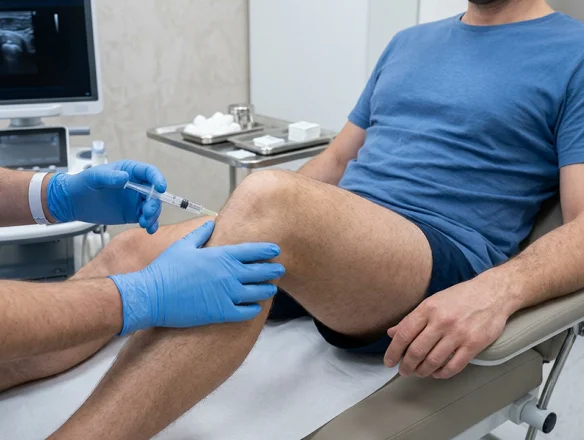
- Corticosteroid injections to calm pain and inflammation in the joint
- Rheumatology care for rheumatoid arthritis and other inflammatory types
Many patients combine several of these approaches to get the best results.
When arthritis is advanced and conservative care stops working, surgery can relieve pain and restore function. OrthoInfo describes several common procedures, including:
- Trapeziectomy: Removing the small wrist bone at the base of the thumb, sometimes with a tendon used to cushion the space
- Joint fusion: Joining the bones of the joint to stop painful motion and keep a strong pinch
- Joint replacement: Replacing the damaged joint surfaces with an implant
Your surgeon will explain which procedure suits your joint and activity level, and what recovery looks like.
OINJ's Hand & Upper Extremity Center brings hand surgeons, physician assistants, hand therapists, and rheumatology care together in one practice. You can also read more about arthritis of the hands and how it affects the finger joints and thumb base.
Frequently Asked Questions
Does a thumb brace help arthritis?
Yes, for many people. The American College of Rheumatology strongly recommends hand orthoses for arthritis at the base of the thumb. A brace supports the joint, limits painful motion, and can ease pain during daily tasks.
Should I sleep in a thumb brace?
Many people do. Mayo Clinic notes that some patients wear a splint just at night. A night splint keeps the thumb in a resting position and can reduce morning stiffness. Choose a comfortable brace and loosen it if your fingers tingle.
How tight should a thumb brace be?
Snug enough to hold the thumb base steady, with room to slide a finger under the straps. Numbness, tingling, color changes, or new swelling mean it's too tight. A brace that slides around or doesn't change your pain is likely too loose.
Is a soft or rigid thumb brace better?
Both can ease pain in the short term. A 2024 review found that rigid splints covering the thumb's middle joint showed the clearest gains in pain and function over several months. Soft braces often feel better for light daily use.
Can a thumb brace make arthritis worse?
Used correctly, a brace is unlikely to harm the joint, but wearing a rigid splint around the clock without breaks may leave your thumb stiff. Take it off for gentle exercises and skin checks. If your pain increases with the brace on, stop using it and talk to a specialist.
Ready to Take the Next Step? Get Expert Thumb and Hand Care at OINJ
"A brace is an excellent first-line treatment for the symptoms associated with basilar joint osteoarthritis. There are a variety of braces that can offer unique benefits for different activities. We offer braces at our office and can review other options to suit your individualized needs." Dr. Christian Zaino
A thumb brace can make a real difference, but persistent pain, weakness, or trouble with daily tasks deserves a closer look. The sooner you know how far your arthritis has progressed, the sooner you can find relief that lasts.
If thumb arthritis is affecting your daily activities, OINJ's orthopedic specialists can help you find the right treatment to relieve pain and improve hand function. Schedule a visit with an OINJ hand specialist and get your grip back.

OINJ PHYSICIAN’S ADVICE
A brace is an excellent first-line treatment for the symptoms associated with basilar joint osteoarthritis. There are a variety of braces that can offer unique benefits for different activities. We offer braces at our office and can review other options to suit your individualized needs.
Christian J. Zaino, MD
Orthopedic Surgeon at OINJ
Physicians & Assistants

Related News & Insights

What Is a Digital Mucous Cyst? What That Bump Near Your Fingernail Could Really Mean?
![woman putting bandage over bump on finger]()

Blog
Dec 1, 2025
What Is a Digital Mucous Cyst? What That Bump Near Your Fingernail Could Really Mean?
Read More
Dec 1, 2025