

Search
Find a Physician

How Regenerative Medicine for Joint Pain Can Help You Avoid Surgery




Medically Reviewed by
Ashley Bassett, MDBlog
Jul 15, 2026
Picture this: you're sitting in a waiting room, dreading what the doctor might say. Your knee has been aching for months, every step a reminder that something is wrong. You've tried rest, physical therapy, anti-inflammatories — and yet here you are, half-expecting someone to tell you it's time for surgery.
No one wants surgery. Even the most routine procedures carry risks — infections, complications, long recovery windows. The good news is that regenerative medicine for joint pain has been quietly changing the conversation around how we treat musculoskeletal conditions. For many patients, it's opening a door they didn't know existed.
Imagine overhearing a conversation in that same waiting room, someone saying they avoided a knee replacement entirely through regenerative therapy for pain. That kind of moment shifts everything. Suddenly, there's another option worth asking about — and this article will walk you through what that option actually looks like.
What Is Regenerative Medicine?
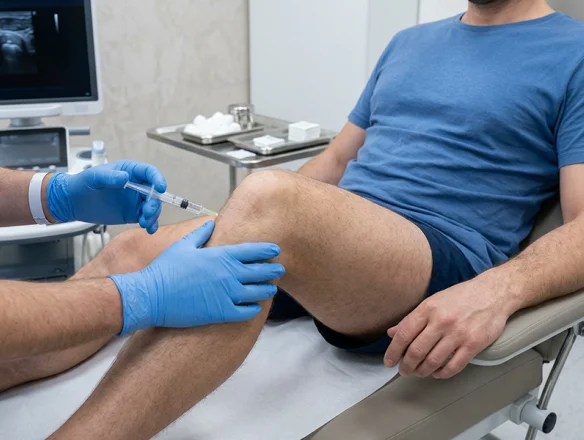
Regenerative medicine is a branch of healthcare focused on repairing, replacing, or restoring damaged tissues using the body's own biological processes. Instead of masking pain or removing a damaged joint, the goal is to trigger real, structural healing.
The field draws on several approaches, including platelet-rich plasma (PRP) therapy, stem cell injections, prolotherapy, and growth factor treatments. Each works a little differently, but they all share the same core philosophy: give the body the right tools, and it can often heal itself.
What makes biologic and regenerative medicine particularly compelling is its potential to address the underlying cause of pain rather than just its symptoms. This is especially relevant in orthopedic care, where patients frequently face a binary choice between long-term medication and major surgery.
Regenerative orthopedics, as a specialty, has grown significantly over the past decade. Clinicians now apply these techniques to a wide range of conditions — from torn tendons and ligaments to degenerative disc disease and osteoarthritis. The approach is increasingly seen as a legitimate middle path between conservative care and surgical intervention.
Does Regenerative Joint Therapy Work?
It's a fair question, and the honest answer is: it depends on the condition and the patient. That said, the evidence base has grown considerably, and results for certain diagnoses are genuinely encouraging.
Platelet Rich Plasma (PRP) therapy, for instance, has shown real promise for knee osteoarthritis. Multiple clinical trials have found meaningful reductions in pain and improvements in function compared to corticosteroid injections or hyaluronic acid. The results aren't universal, but they're consistent enough to take seriously.
Stem cell therapy occupies a more complex space. Early-phase studies suggest it can reduce inflammation and support tissue repair, particularly in cartilage-deficient joints. However, outcomes vary depending on the patient's age, the severity of joint damage, and the specific technique used.
The concept of joint preservation sits at the heart of this discussion. When regenerative arthritis treatment works, it doesn't just delay surgery — it can preserve the natural joint entirely, which has significant long-term implications for mobility and quality of life.
So while regenerative joint therapy isn't a guaranteed fix, it's a scientifically grounded option that deserves a serious conversation with a qualified specialist, particularly before committing to an irreversible surgical procedure.
Can Cartilage Regrow?
This is one of the most common questions patients ask, and it gets at something fundamental about joint health. Cartilage is notoriously difficult to repair because it has a very limited blood supply; without it, natural healing is slow and incomplete.
However, "difficult" is not the same as "impossible." Research into cartilage regeneration has accelerated meaningfully, and certain regenerative approaches have shown the ability to stimulate new cartilage-like tissue formation.
Microfracture surgery, though technically a procedure, works by creating small holes in the bone which no longer has cartilage. These holes release stem cells which help grow new tissue. Newer approaches using injectable stem cells or growth factors aim to achieve similar results without going under the knife.
The wider field of regenerative medicine applications continues to explore scaffolding techniques, gene therapy, and bioengineered tissue — areas that may make genuine cartilage regrowth a realistic clinical outcome within the next decade.
For now, patients with mild to moderate cartilage damage tend to respond better than those with advanced degeneration. Early intervention, in other words, matters a great deal. If you're experiencing joint discomfort and suspect cartilage involvement, getting evaluated sooner rather than later gives regenerative options a better chance to work.
How to Regenerate Knee Cartilage Naturally
While clinical regenerative orthopedics involves injections and procedures, there are also meaningful steps you can take to support cartilage health outside the clinic. These won't reverse severe damage, but they can slow progression and create a better environment for healing.
Consider focusing on the following:
- Low-impact exercise: Swimming, cycling, and walking reduce joint loading while maintaining muscle strength, which supports cartilage health.
- Weight management: Every pound of body weight adds roughly four pounds of pressure to the knee joint. Even modest weight loss can noticeably reduce cartilage stress.
- Anti-inflammatory nutrition: Omega-3 fatty acids, found in fatty fish, flaxseed, and walnuts, help reduce the chronic low-grade inflammation that accelerates cartilage breakdown.
- Collagen and vitamin C: Both play a role in cartilage matrix production. Some evidence supports supplementation, particularly in people with dietary gaps.
- Avoiding repetitive high-impact stress: Running on hard surfaces or participating in high-impact sports can accelerate cartilage wear, especially in joints already showing signs of degeneration.
These strategies work best as part of a broader plan that includes professional evaluation. Natural support and regenerative therapy for pain are most effective when they complement each other rather than replace clinical care.
Disadvantages of Using Stem Cells to Treat Arthritis
Stem cell therapy for arthritis is one of the most talked-about areas of regenerative arthritis treatment, but it also comes with real limitations that patients need to understand before pursuing it.
First, the evidence is still catching up to the hype. While early-phase trials are promising, large-scale randomized controlled trials are limited. This means that while the theoretical basis is sound, long-term efficacy data are still being collected.
Second, cost is a significant barrier. Many stem cell treatments for arthritis are not covered by insurance because they are still classified as experimental. Out-of-pocket costs can run into several thousand dollars per treatment, and multiple sessions may be required.
Third, not all providers are equal. The stem cell therapy market has attracted some clinics making exaggerated claims that go well beyond what the current evidence supports. Patients must do careful due diligence and seek out board-certified specialists with transparent clinical protocols.
Fourth, outcomes vary considerably. A younger patient with moderate cartilage damage will typically respond much better than an older patient with advanced, bone-on-bone deterioration. Regenerative therapy for back pain and other spinal applications faces similar variability.
Fifth, there is still ongoing regulatory discussion around which stem cell preparations are considered drugs and which fall under medical practice. This creates some inconsistency in what is available across different states and countries.
None of this means stem cell therapy for arthritis should be dismissed — it means it should be pursued with clear expectations and proper medical guidance.
Wrap Up
Regenerative medicine for joint pain represents a genuine shift in how healthcare approaches musculoskeletal conditions. It won't replace surgery in every case, but for a significant number of patients, it offers a credible path toward healing without going under the knife. The evidence is growing, the techniques are maturing, and the range of conditions being addressed — from knee arthritis to regenerative therapy for back pain — continues to expand.
If you're facing a surgical recommendation and haven't yet explored what regenerative options might be available to you, it's worth the conversation. Speak with a specialist in regenerative orthopedics, ask direct questions about your specific condition, and find out whether your joint can be preserved before committing to something permanent.
Explore whether regenerative medicine can help relieve your joint pain and delay or avoid surgery. Schedule an appointment with the specialists at the Orthopedic Institute of NJ today.

OINJ PHYSICIAN’S ADVICE
There are many effective joint preservation strategies designed to relieve pain, improve function, and potentially postpone or even prevent the need for joint replacement surgery. Non-operative treatments, including biologic therapies such as platelet-rich plasma (PRP), utilize your body's own healing capabilities. The experienced joint preservation specialists at OINJ will work with you to determine the treatment plan that best aligns with your condition, goals, and lifestyle
Ashley Bassett, MD
Orthopedic Surgeon at OINJ
Physicians & Assistants

Related News & Insights
Posterior Tibial Tendon Dysfunction: A Common Cause of Adult Flatfoot
![woman sitting on a couch holding her foot in pain]()

Blog
Sep 1, 2026
Posterior Tibial Tendon Dysfunction: A Common Cause of Adult Flatfoot
Read More
Sep 1, 2026

What Is the MACI Procedure? A Guide to Cartilage Restoration and Joint Preservation
![ppatient with knee brace after MACI procedure]()

Blog
Jul 31, 2026
What Is the MACI Procedure? A Guide to Cartilage Restoration and Joint Preservation
Read More
Jul 31, 2026