

Search
Find a Physician

Knee Locking: Common Causes and Treatment Options

Robert A. DeFalco, Jr., DO
![Robert A. DeFalco, Jr., DO]()

Robert A. DeFalco, Jr., DO
- Orthopedic Surgery
- Shoulder & Knee
- Sports Medicine





Medically Reviewed by
William Sayde, MDBlog
Jul 31, 2026
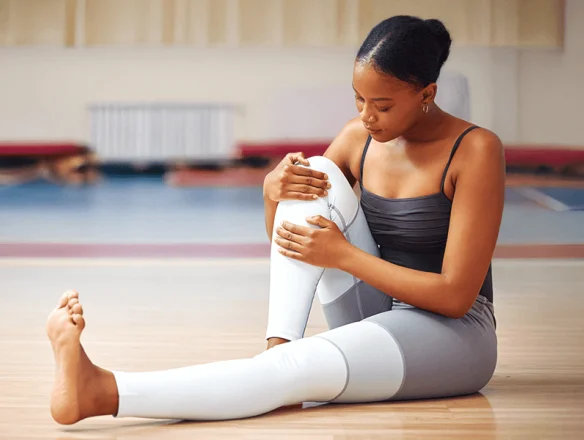
You're halfway down the stairs when your knee suddenly freezes in place. It won't bend, it won't straighten, and you're just stuck. This sudden knee locking catches you completely off guard, and your first thought isn't a diagnosis. It's simply, what in the world is happening to my leg right now?
You try shaking your leg, hoping the joint pops back into place on its own. Sometimes it does, and sometimes it stays frustratingly locked for several minutes. Naturally, you start wondering if this happened out of nowhere or if something inside your knee has been building toward this moment for a while.
Once the panic settles, the questions start piling up. Why does this happen? Is it serious? Will it happen again? We'll walk through the most common causes, what your knee is trying to tell you, and the treatment options that actually work, so you know exactly what to do next.
Locked knee symptoms
A locked knee doesn't always look the same for everyone. For some, the joint gets stuck at a slight bend. For others, it locks almost fully straight, making it hard to sit comfortably or climb stairs without wincing.
You might also notice a popping or catching sensation right before your knee locks up. This warning sign gives you a split second to brace yourself, though it rarely helps you avoid the lock altogether.
Swelling often follows shortly after, along with a dull ache that lingers even once the joint releases. Some people also describe a grinding feeling, almost like sand shifting around inside the joint.
If your knee locks repeatedly over several weeks, don't brush it off as bad luck. Recurring episodes usually point toward a structural issue that needs proper attention rather than just rest.
Pain levels vary quite a bit, too. Some people feel a sharp, stabbing discomfort at the moment of locking, while others describe a dull pressure that builds gradually.
Pay attention to whether the locking occurs after specific movements, such as twisting or squatting. Patterns like these give doctors valuable clues about what's actually going on underneath.
Will knee locking go away
Sometimes, yes. A minor case of knee locking caused by a loose cartilage fragment can resolve with rest and gentle movement. However, that doesn't mean you should just wait it out indefinitely.
If the locking keeps returning, it rarely fixes itself completely. Your knee is, in a way, telling you that something inside, whether it's cartilage, a ligament, or the kneecap itself, isn't tracking the way it should.
Learning how to release a locked knee at home can offer temporary relief. Gently flexing and extending the leg, or shifting your weight slightly, sometimes coaxes the joint back into place.
Many people also search for how to unlock a locked knee the moment it happens, hoping for a quick fix. Some maneuvers help temporarily, but they don't replace a proper diagnosis from a doctor.
That said, home tricks only address the symptom, not the root cause. If you find yourself repeating the same maneuver every week, it's time to see a specialist instead of relying on quick fixes.
Ignoring repeated locking episodes can also lead to further joint damage over time. Cartilage tears left untreated tend to worsen, and that only makes future treatment more complicated.
What causes a locked knee?
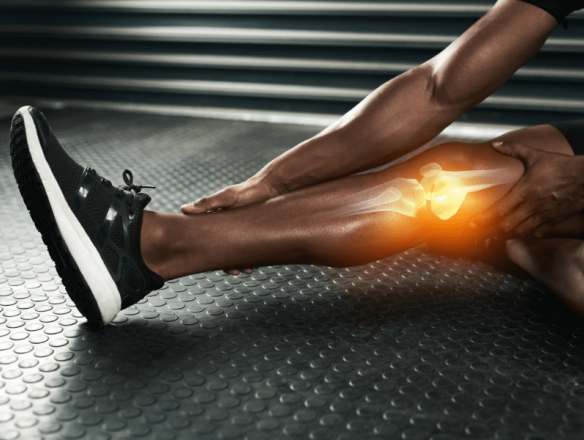
Several things can cause a locked knee, and cartilage damage tops the list. A torn meniscus often sends a small fragment floating into the joint space, physically blocking movement.
Loose bodies, tiny pieces of bone or cartilage that break free inside the joint, are another common culprit. They drift around until they wedge themselves between the bones, causing that sudden stuck feeling.
Arthritis plays a role, too, especially in older adults. As cartilage wears down, the joint surfaces become uneven, and rough patches can catch against each other during movement.
Ligament injuries, particularly to the ACL, sometimes contribute as well. A torn ligament can alter the way your knee moves, allowing fragments to slip into places they shouldn't be.
If you're already dealing with ongoing discomfort, treating knee pain early can actually lower your risk of developing a locked knee down the road. Addressing minor issues before they escalate makes a real difference.
Previous injuries matter too. A knee that's been through a sprain, fracture, or surgery in the past is more prone to instability, which raises the odds of locking happening again.
How do doctors fix a locked knee?
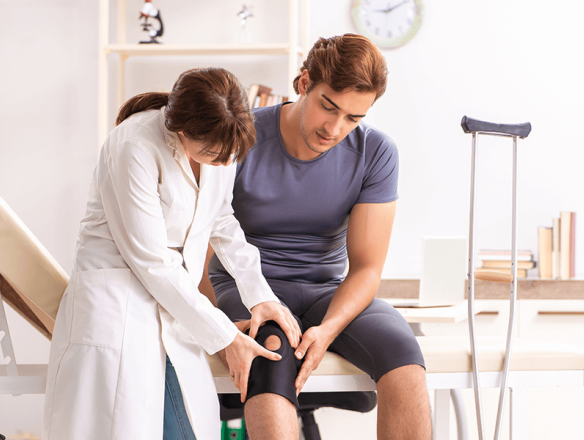
Doctors start with a physical exam and imaging, usually an MRI, to see exactly what's blocking the joint. Once they know the cause, treatment for knee locking becomes a lot more straightforward.
For milder cases, physical therapy and targeted exercises often help. Strengthening the muscles around the knee improves stability and can reduce the frequency of locking episodes.
When a doctor needs to demonstrate how to unlock a locked knee manually, they'll gently guide the joint through a controlled range of motion. This technique, however, isn't something to attempt on your own without guidance.
Depending on severity, treatment options usually fall into a few categories:
- Rest, ice, and anti-inflammatory medication for mild cases
- Physical therapy to strengthen the surrounding muscles
- Arthroscopic surgery to remove loose fragments or repair torn cartilage
- Cartilage restoration procedures for more advanced damage
- Joint replacement for severe, long-term arthritis
Your doctor picks the right path based on your imaging results, your activity level, and how long you've been dealing with the problem.
For more advanced cases, surgeons at a orthopedic sports medicine practice can offer specialized options that a general practice might not have access to, including advanced cartilage repair techniques.
Speaking of cartilage repair, one newer option involves an FDA-approved treatment that uses your own cells to regrow damaged cartilage tissue, a promising route for patients hoping to avoid a full joint replacement.
Recovery time varies depending on the procedure. Minor arthroscopic work might only need a few weeks, while more involved surgeries can take several months before you're back to normal activity.
How to prevent knee locking
Prevention starts with keeping the muscles around your knee strong. Regular strength training, especially for your quadriceps and hamstrings, keeps the joint stable and less prone to catching.
Stretching matters too. Tight muscles pull unevenly on the joint, which increases the risk of cartilage or ligament issues that can eventually lead to knee locking.
Also, pay attention to your form during high-impact activities like running or jumping. You see, poor mechanics put extra strain on the joint surfaces, and over time, that wear adds up.
If you've had a previous injury, don't skip your full rehab program, even once the pain fades. Cutting rehab short is one of the most common reasons people end up dealing with knee locking up again later.
Maintaining a healthy weight also takes pressure off your joints. Extra weight adds stress to the cartilage with every step, speeding up wear that eventually contributes to locking episodes.
Prevention beats treatment for knee locking every time, so investing in strong muscles and good form pays off in the long run.
Learning basic techniques for how to release a locked knee at home also helps you respond quickly if an episode does occur, minimizing extra strain while you wait to see a doctor.
Conclusion
Dealing with knee locking for the first time can feel alarming, but now you know it's rarely a mystery. Whether it's loose cartilage, an old ligament injury, or early arthritis, there's almost always a clear reason behind that sudden stuck feeling.
The best next step is getting a proper diagnosis rather than guessing at home remedies indefinitely. With the right treatment plan, most people get back to moving freely, climbing stairs, and living without that nagging fear of their knee freezing up again.
“Knee catching and locking can be a frustrating symptom, and proper history, physical examination, and imaging with an orthopedic specialist can help patients develop a treatment plan tailored to the individual”, says Dr. William Sayde, one of the orthopedic surgeons who specializes in sports injuries at The Orthopedic Institute of New Jersey.
If your knee is locking, catching, or causing persistent pain, schedule a consultation with the specialists at OINJ to determine the cause and find the right treatment.

OINJ PHYSICIAN’S ADVICE
Knee catching and locking can be a frustrating symptom, and proper history, physical examination, and imaging with an orthopedic specialist can help patients develop a treatment plan tailored to the individual.
William Sayde, MD
Orthopedic Surgeon at OINJ
Robert A. DeFalco, Jr., DO
![Robert A. DeFalco, Jr., DO]()
Robert A. DeFalco, Jr., DO
- Orthopedic Surgery
- Shoulder & Knee
- Sports Medicine
Physicians & Assistants




Related News & Insights
What Is the MACI Procedure? A Guide to Cartilage Restoration and Joint Preservation
![ppatient with knee brace after MACI procedure]()

Blog
Jul 31, 2026
What Is the MACI Procedure? A Guide to Cartilage Restoration and Joint Preservation
Read More
Jul 31, 2026