


Search
Find a Physician

What Is a Digital Mucous Cyst? What That Bump Near Your Fingernail Could Really Mean?




Medically Reviewed by
Christian J. Zaino, MDBlog
Dec 1, 2025
A small, translucent bump near a fingernail can be easy to dismiss at first, but when it starts to enlarge or even drains fluid, it naturally raises questions—especially when it might be a digital mucous cyst.
Imagine a person going about their day, noticing a tiny, glassy swelling near the nail fold that wasn’t there a few weeks ago. It doesn’t hurt much, but it looks odd enough to trigger some concern. Situations like this happen more often than people realize, and the uncertainty can be uncomfortable.
The good news is that many nail-area growths are benign, and understanding what they might be is the first step toward feeling more at ease. A digital mucous cyst is one possible explanation, and learning about its causes, symptoms, and treatments can help someone decide whether they should monitor the area, try simple home care, or seek medical advice for reassurance.
Why do I have a bump on my finger
Noticing a small bump on a finger can be unsettling, especially when it appears out of nowhere and doesn’t match anything familiar. These bumps often form slowly, and you see, they can come from harmless changes beneath the skin. Some relate to joint wear and tear, while others develop from fluid collecting near the nail or knuckle.
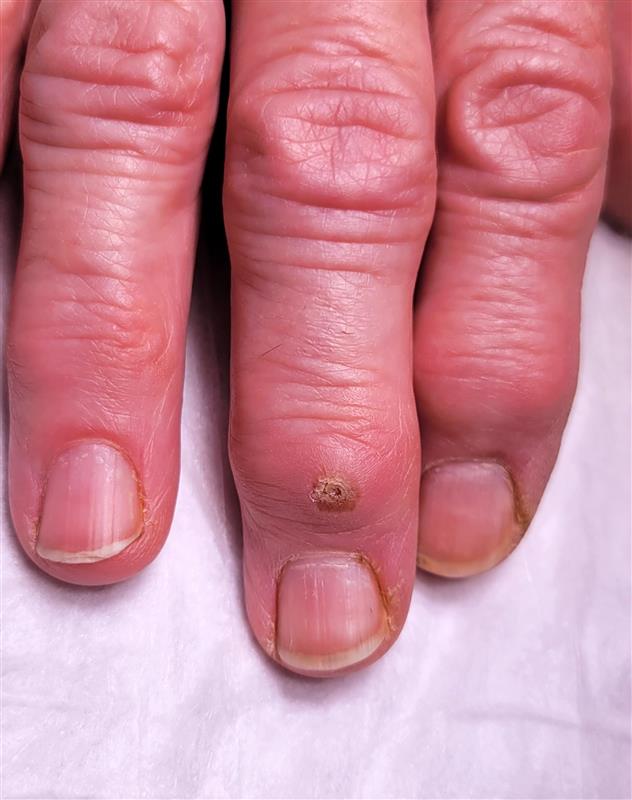
In many cases, the bump turns out to be a simple structure, such as a ganglion cyst, which forms when joint fluid pushes outward. Moreover, bumps in this area can come from mild inflammation, past injury, or everyday repetitive movements. These bumps can get so big that they can rupture and drain sticky fluid which looks like mucus (thus “mucus/mucoid cyst”) but it is actually ganglion cyst fluid - a cousin of joint fluid. Understanding these common causes helps reduce worry and guides next steps.
Is a digital mucous cyst cancerous?
When someone discovers a digital mucous cyst, it’s natural to wonder whether it’s dangerous, especially since many people associate unexpected bumps with serious issues. You see, most hand and wrist conditions look far more alarming than they actually are, and this type of cyst is no exception. A digital mucous cyst is considered benign, meaning it doesn’t behave like cancer or spread.
Moreover, the cyst forms from joint fluid and usually connects to underlying jointrather than anything life-threatening. It may look unusual, but it doesn’t transform into cancer. Understanding this helps ease worry and gives someone confidence to explore treatment options without fear.
Symptoms of a digital mucous cyst
A digital mucous cyst usually appears slowly, and people often notice changes around the nail before they notice the bump itself. These cysts have a few characteristic signs that make them easier to recognize.
- Translucent bump: A clear or slightly bluedome-shaped swelling near the nail fold.
- Firm texture: The cyst often feels rubbery or tense to the touch because it’s filled with thick joint fluid.
- Ridge on the nail: Pressure on the nail root can cause a visible groove or distortion in the nail.
- Mild tenderness: Some people feel light pressure or discomfort, especially when the cyst is bumped or irritated.
- Slow growth: The size usually increases gradually rather than appearing suddenly.
These symptoms help distinguish the cyst from other finger issues and guide someone toward proper evaluation.
Cyst complications
Even though a digital mucous cyst is benign, it can still create problems when it interferes with everyday tasks or causes discomfort. You see, the location near the nail means even a small bump can be sensitive, and pressure from simple activities like typing or gripping objects may make the area feel irritated or tender over time.
Moreover, as the cyst grows, it can press on the nail root and create grooves or visible changes in nail shape. These nail deformities aren’t dangerous, but they can be frustrating, especially when they persist for months. In some cases, the cyst may leak fluid if the skin becomes too thin.
However, the biggest concern arises if someone tries to pop or puncture the cyst at home. Doing this increases the risk of infection, introduces bacteria, and creates a painful wound that may take weeks to heal. Proper medical care prevents these complications and ensures safe healing. At the most extreme condition, the ruptured cyst (which looks like a volcano - a raised bump with an opening) can lead to septic arthritis (joint infection) and even osteomyelitis (bone infection). A draining/ruptured cyst is cause for concern.
Mucoidcyst treatment
Treating a mucoid cyst starts with understanding how it formed and how much it affects daily life. Some people choose to leave it alone when it’s small and painless, while others want relief from pressure, nail changes, or worry about its appearance. A digital mucous cyst won’t disappear overnight, but several effective options exist. Warm compresses, avoiding repeated pressure, and keeping the skin moisturized can help when symptoms are mild. Topical NSAIDs may also help with the pain. These approaches won’t cure the cyst, but they can sometimes reduce irritation, lessen the pain, and make the area easier to manage.
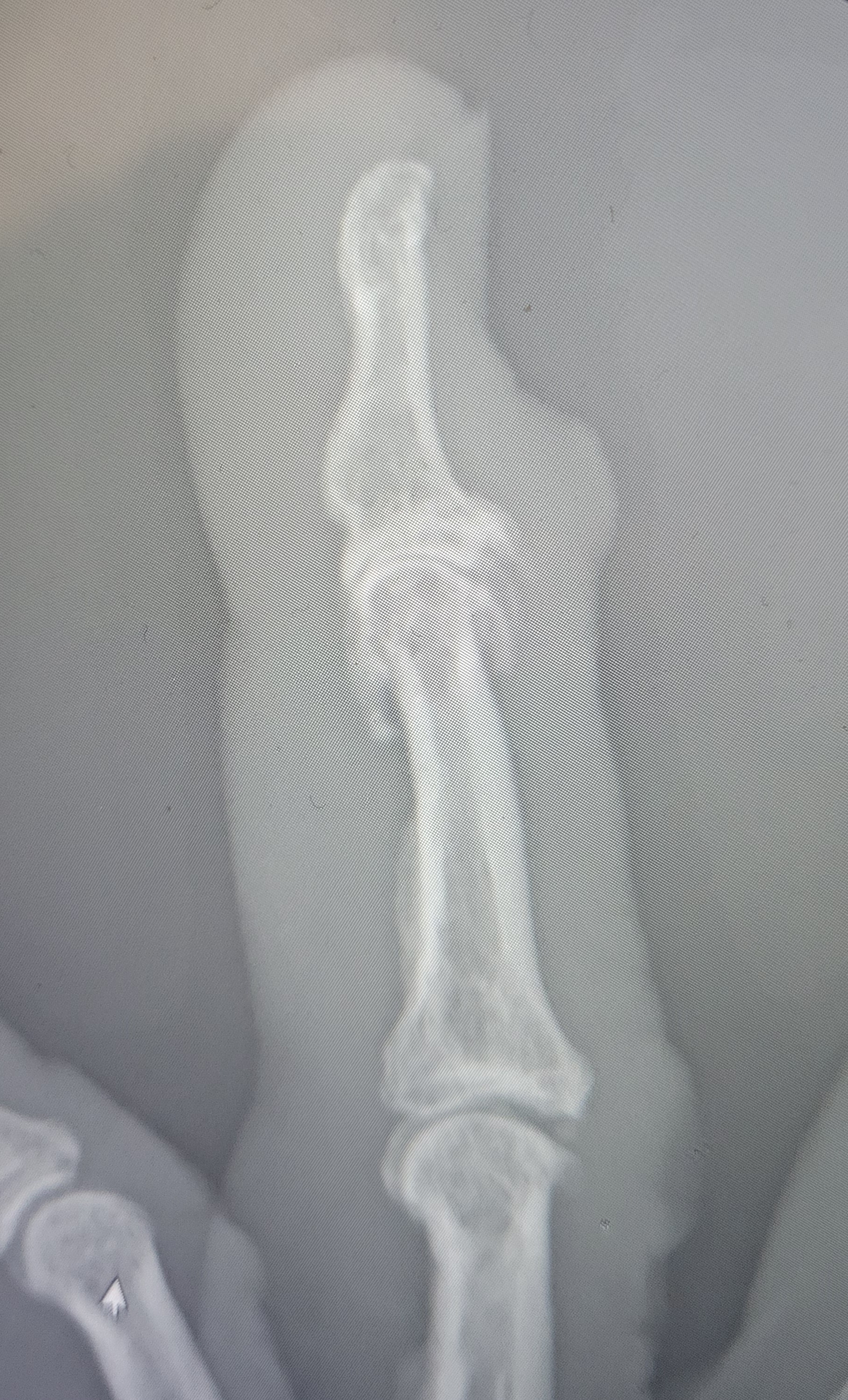
However, when the cyst becomes large and bothersome, a call to a hand surgeon is in order. Doctors may suggest sterile needle drainage or aspiration, which removes the thick, mucous-like fluid and temporarily reduces the bump. You see, the drawback is that the fluid can build up again because the cyst remains and it is still connected to the joint. Steroid injections, cryotherapy, or other dermatological treatments are not recommended as they may further irritate or burn the skin and lead to an even larger wound..
When conservative care fails, a hand surgeon can help address the issue. There are three issues to address - the cyst, any potential arthritic bone spurs, and the wound. Surgical removal becomes the most definitive option. A hand specialist can excise both the cyst and its underlying stalk that feeds it, dramatically reducing the risk of recurrence. Moreover, addressing any arthritic spurs at the joint helps improve long-term outcomes. Lastly, a hand surgeon can remove the damaged skin and pull neighboring skin to effectively close the wound. Surgery offers the highest success rate but comes with the usual considerations.
Although surgery is often effective, patients should still understand the risks. Complications following mucous cyst excision can include infection, stiffness, prolonged healing, or minor numbness near the incision site. These issues are uncommon, yet being aware of them helps set realistic expectations. With proper care and follow-up, most people recover well and enjoy lasting relief from the cyst.
Wrap up
A digital mucous cyst often looks more alarming than it truly is, and understanding its nature can ease much of the worry it creates. You see, learning what causes it, how it behaves, and which treatments work best helps someone feel more confident about managing the bump and deciding whether medical care is needed.
Moreover, recognizing that the cyst is benign and treatable offers real peace of mind. Whether someone chooses simple monitoring, in-office treatments, or surgical removal, knowing the options empowers them to choose what feels right. With proper guidance, most people find relief and return to daily life without concern.
Take the first step toward relief—schedule a consultation with the Orthopedic Institute of NJ today to get expert evaluation and treatment for digital mucous cysts and other hand concerns.

OINJ PHYSICIAN’S ADVICE
A digital mucoid cyst is an extremely common orthopedic condition. Conservative treatments are often successful however surgery to address the cyst, bone spurs, and wound are often needed in severe cases. The biggest concern I have is longstanding drainage as this can lead to significant infection which is difficult to treat. Never pop a mucoid cyst at home. Come in right away to see hand specialist. It is not a dermatologic condition.
Christian J. Zaino, MD
Orthopedic Surgeon
Physicians & Assistants

Related News & Insights


Wrist Fracture Treatment Options: Exploring Surgical and Non-Surgical Methods
![person getting treated for a wrist fracture]()

Blog
Mar 8, 2024
Wrist Fracture Treatment Options: Exploring Surgical and Non-Surgical Methods
Read More
Mar 8, 2024
Surgery on a Broken or Fractured Finger: When Is a Broken Finger Surgery Needed?
![Surgery on a broken finger]()
Blog
Jul 7, 2023
Surgery on a Broken or Fractured Finger: When Is a Broken Finger Surgery Needed?
Read More
Jul 7, 2023